The Heart of Indochina
Bound together by the historic currents of the Mekong River, a cultural and travel corridor formed by Vietnam, Cambodia and Laos.
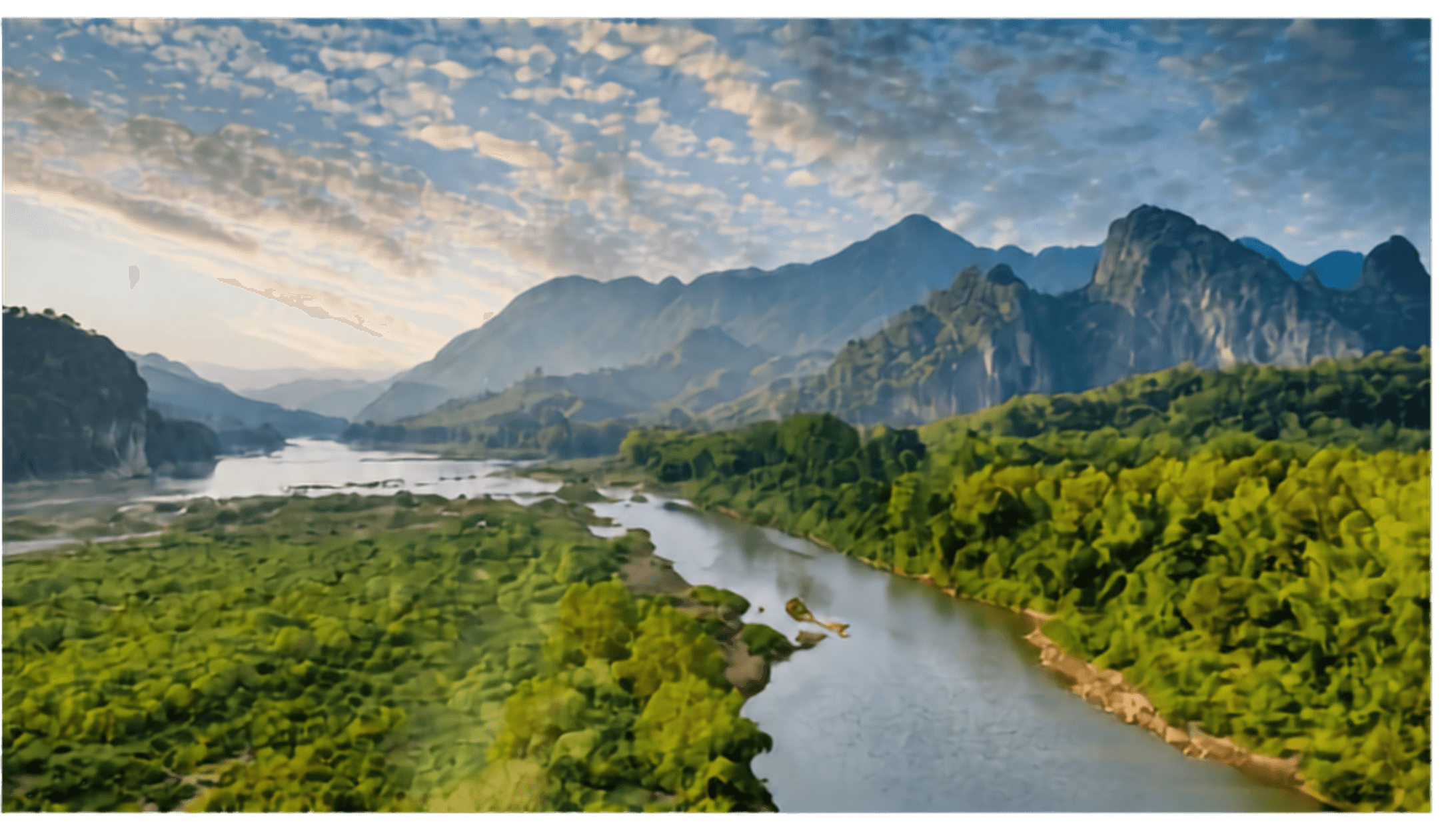
Bound together by the historic currents of the Mekong River, Indochina represents a remarkable combination of ancient civilizations, dramatic landscapes and deep cultural traditions. This feature focuses on the cultural and travel corridor formed by Vietnam, Cambodia and Laos. Across the three countries, travellers encounter monuments, historic sites, river communities, limestone landscapes, traditional markets and living cultural traditions that have developed over centuries.
Spanning Vietnam, Cambodia and Laos, this mainland Southeast Asian corridor brings together ancient empires, Buddhist traditions, colonial history, river cultures and extraordinary natural landscapes. From the temples of Cambodia to the historic streets of Vietnam and the quiet traditions of Laos, the region offers travellers a rare combination of heritage, scenery and living culture.
A cultural and ecological artery connecting communities, landscapes and centuries of regional history.
Three Countries, One Cultural Corridor
Within the broader cultural landscape of mainland Southeast Asia, Cambodia, Vietnam and Laos form three distinct destinations with strong historical and geographical connections. Each country offers a different travel experience: Cambodia is defined by the legacy of the Khmer Empire; Vietnam combines historic cities with dramatic coastal and river landscapes; and Laos is known for its quieter pace, Buddhist heritage and mountainous scenery.
Despite their differences, Cambodia, Vietnam and Laos share a regional landscape shaped by major river systems, ancient civilizations, Buddhist traditions, regional trade and centuries of cultural exchange — Angkor Wat and Tonle Sap in Cambodia; the Hanoi Old Quarter, Ha Long Bay and Hoi An's lantern-lit streets in Vietnam; and Luang Prabang and the Kuang Si Waterfalls in Laos.
The Soul of the Mekong
The Mekong is more than a river that crosses several countries — it is a major ecological and cultural artery whose waters have shaped communities, agriculture, transport and trade across mainland Southeast Asia. From northern mountain valleys to the fertile delta of southern Vietnam, the river is closely connected with rice cultivation, fishing, river transport, floating markets and everyday life. Along its banks, traditional wooden boats continue to move people and goods, while riverside communities maintain long-established relationships with the water.
- Water — essential to communities and ecosystems.
- Agriculture — supports fertile agricultural landscapes and rice cultivation.
- Transport — traditional boats remain part of river life.
- Commerce — markets and trade have long followed the waterways.
- Culture — communities have developed traditions closely linked to the river.
Cambodia: The Khmer Legacy
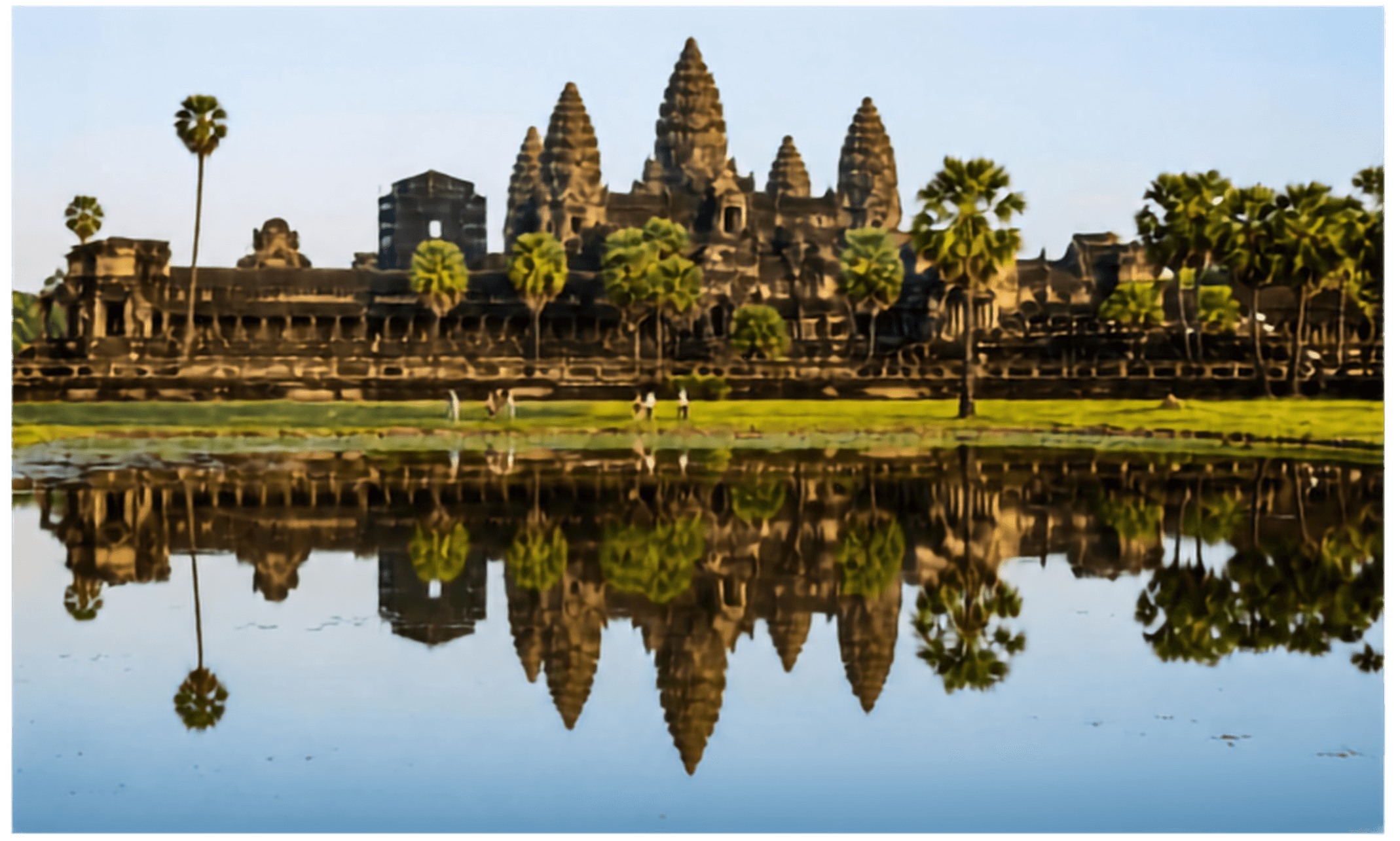
Cambodia's identity is deeply connected with the legacy of the Khmer Empire, whose monumental architecture remains one of Southeast Asia's defining cultural landscapes. At the centre of this heritage stands Angkor, a vast archaeological complex whose temples represent centuries of Khmer art, architecture and religious history — sacred architecture reflecting Hindu and Buddhist traditions in monumental temples.
Beyond the temple complex, Cambodia's cultural landscape also includes the Tonle Sap Lake and its surrounding waterways, an important part of Cambodia's ecological and cultural life, connecting communities with fishing, agriculture and transport. Apsara dance, a classical Cambodian performance tradition, remains closely associated with Khmer cultural heritage, and living culture — dance, crafts, food and community traditions — continues well beyond the monuments.
Vietnam: History Meets Living Culture
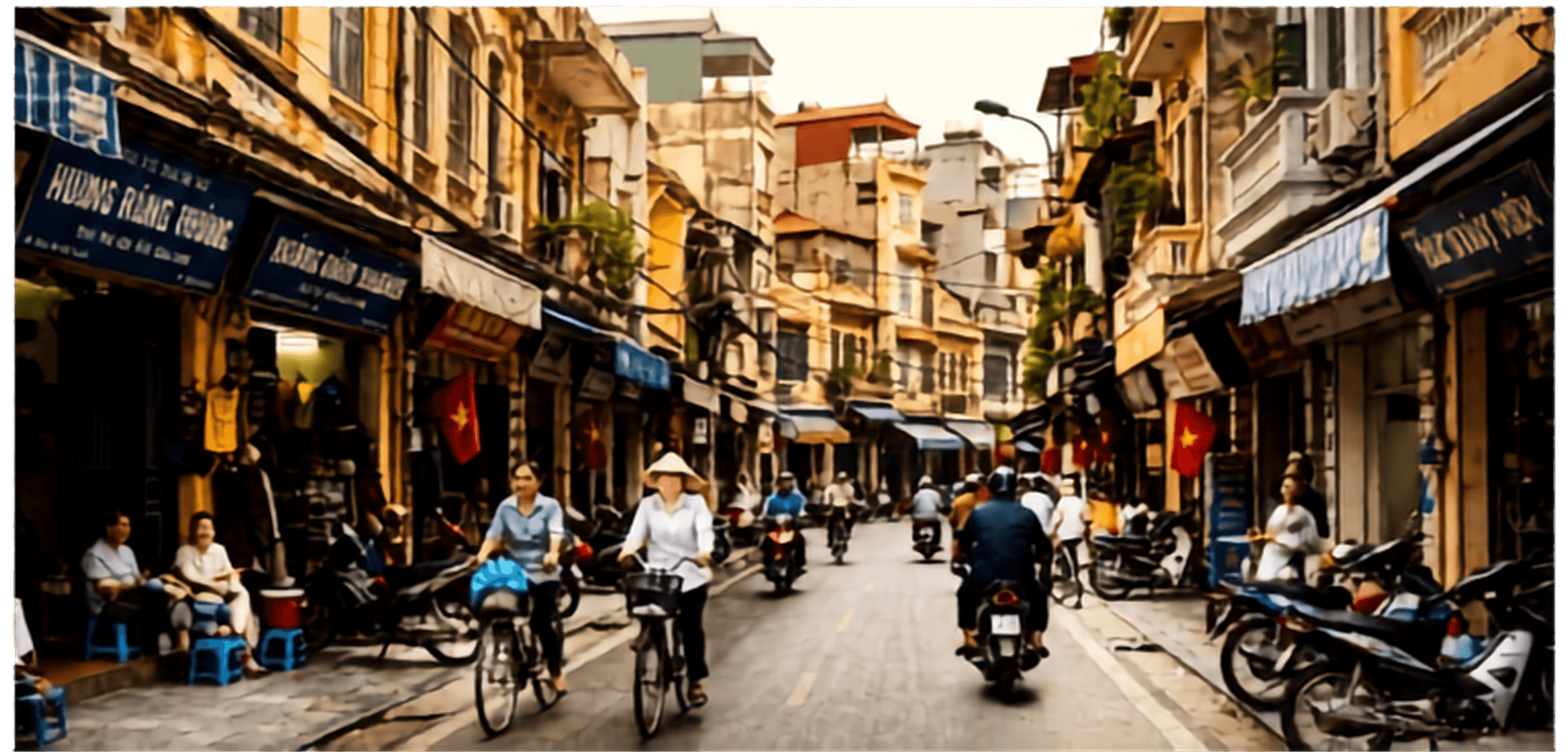
Vietnam offers one of the most varied travel experiences within mainland Southeast Asia. In Hanoi, the Old Quarter preserves a dense urban landscape of narrow streets, historic architecture, local commerce and everyday street life. Further east, Ha Long Bay presents a dramatically different environment of limestone karsts and coastal scenery. Further south and central, places such as Hoi An combine historic architecture, river culture, traditional commerce and distinctive lantern-lit evening streetscapes.
Vietnam's travel identity changes dramatically from one landscape to the next — city, coast and river each offering a different register of the same living culture: food, architecture, markets, crafts, river life and street traditions.
Laos: Quiet Traditions, Sacred Landscapes
Laos offers a quieter travel experience shaped by Buddhist traditions, mountain landscapes, riverside communities and long-established craft practices. Luang Prabang is particularly significant for its historic architecture, Buddhist temples — among them Wat Xieng Thong, a landmark of the city's Buddhist architectural heritage — and traditional morning rituals, including Tak Bat, the traditional morning alms-giving practice associated with Luang Prabang's Buddhist community.
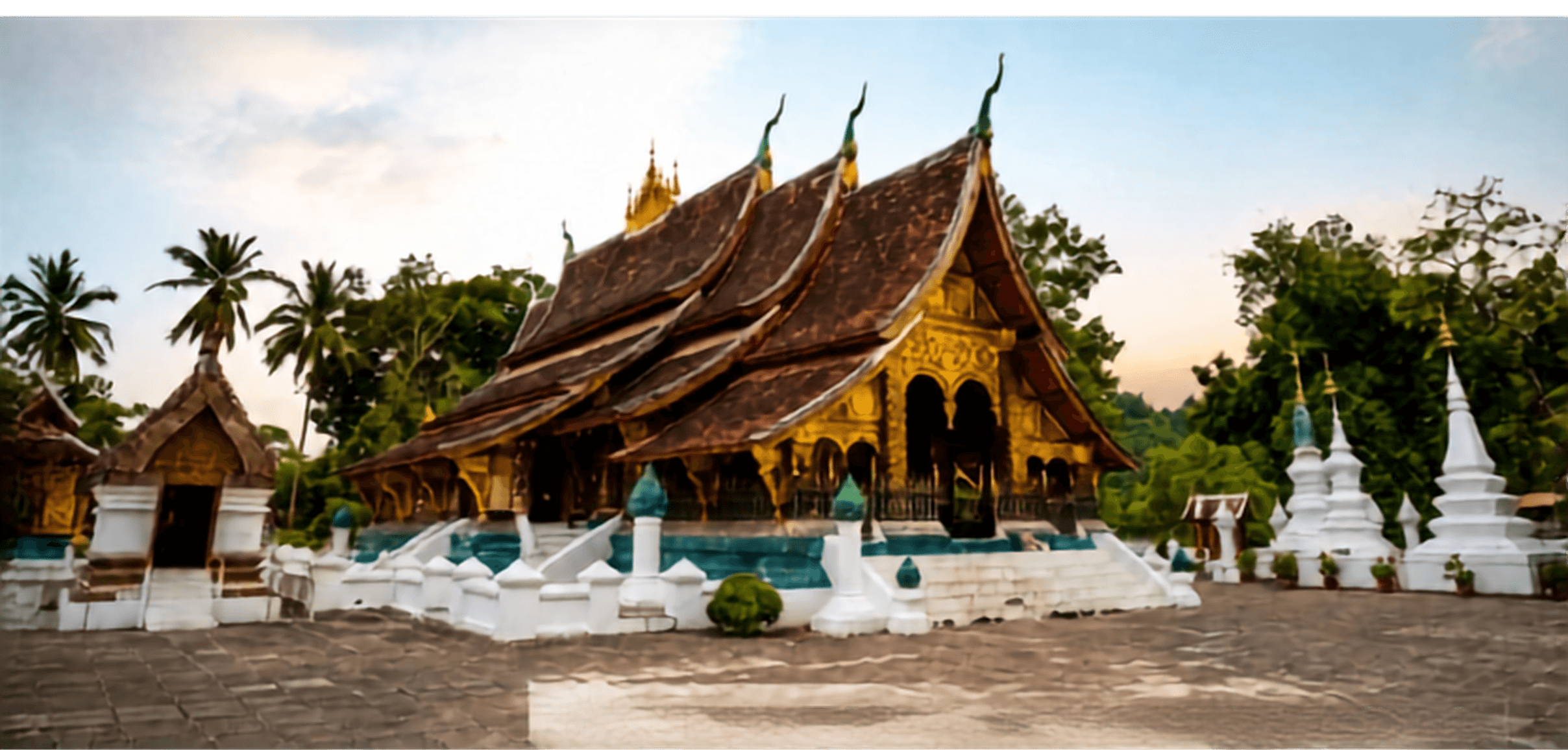
Beyond the city, forests, waterfalls and the Mekong landscape create a strong connection between cultural heritage and the natural environment. Laos's appeal lies partly in the connection between landscape and everyday tradition — temples, river communities, markets, textiles and rituals remain closely woven into local life.
Heritage That Still Lives
The cultural character of Cambodia, Vietnam and Laos is not preserved only inside museums or ancient monuments. It remains visible in everyday life: traditional textiles, hand weaving, food preparation, markets, religious practices, architecture, music and community traditions. Across the region, historic influences from Buddhism, Hindu traditions, local beliefs and centuries of cultural exchange have shaped distinctive forms of art and daily life. Hand weaving, in particular, remains an important cultural craft across parts of Laos and Cambodia, where regional techniques, patterns and materials continue to be transmitted between generations.
Culture is not only preserved — it is practised.
A Landscape of Rivers, Mountains and Forests
The physical geography of mainland Southeast Asia is remarkably varied: forested valleys, river systems, fertile lowlands and expansive deltas. These landscapes do more than provide spectacular scenery — they shape agriculture, transport, settlement patterns, tourism and the daily lives of communities. Limestone karsts rise dramatically from coastal and inland waters; river deltas form fertile lowlands shaped by major river systems; northern mountains hold mist, valleys and forested slopes; and dense rainforests support diverse plant and animal life.
The landscapes of Cambodia, Vietnam and Laos are not isolated attractions. They form part of larger ecological systems in which rivers, forests, mountains, agriculture and human settlement remain closely connected. Ancient temples may define the region's history, but its rivers, forests and mountains define much of its physical character.
Editorial Standards & Transparency
Our Editorial CodeThis article was commissioned, edited, and fact-checked in accordance with Vision News’s editorial policies. Commercial partners and advertisers do not review or influence our reporting. If you believe this piece contains a factual error, please notify our corrections desk at hello@visionnews.uk.